

When Games Become More Than an Escape
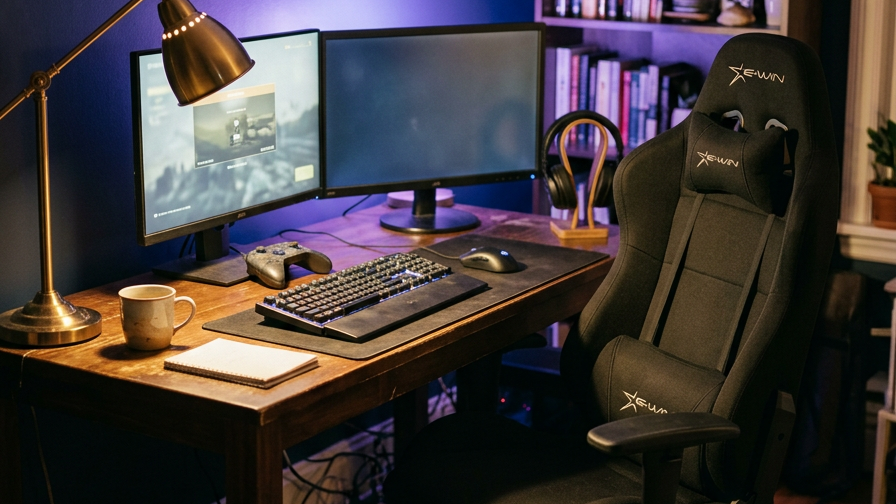
Some people remember games as a hobby. I remember them as a place to breathe.
Growing up, life did not always feel stable. I couldn’t control where I was, what was happening around me, or what the next day would bring. Games gave me somewhere else to go when I needed it.
They didn’t fix my life. They gave me somewhere to put the weight for a while.
More Than Entertainment
Inside a game, the rules usually made sense. Effort created progress. Problems had solutions. Failure didn’t have to be permanent—you could learn, reset, and try again.
That mattered when the real world felt much less predictable.
Games gave me goals when I felt stuck. They gave me stories when I needed hope and worlds to explore when my own felt small. As I got older, they also gave me people to talk to, communities to join, and friendships that would never have existed otherwise.
That is why I have never believed gaming is “just a waste of time.” Like anything else, it depends on how it fits into your life and what you take from it.
What Games Gave Me
Gaming gave me several things I struggled to find elsewhere:
A safe place to breathe
Something measurable to work toward
A sense of progress when life felt stalled
People who understood the same games and experiences
Something to look forward to after a difficult day
Those things may sound small from the outside. When you are carrying more than people realize, they aren’t small at all.
Sometimes getting through the day starts with having one reliable thing waiting for you at the end of it.
Escape Isn’t Always a Bad Word
People often talk about escape as though it automatically means weakness. I don’t believe that.
Sometimes stepping away from the weight of real life gives you enough room to recover and face it again. Rest is not surrender, and needing somewhere safe to breathe does not mean you have failed.
At the same time, an escape should not become another prison.
Games can be part of how we cope, but they cannot carry everything alone. Real connection, honest conversations, healthy routines, and professional support still matter. Balance does not mean abandoning the games you love. It means making sure they help you live your life instead of replacing it.
Why Gear Rift Exists
Gear Rift was built from that understanding.
This brand is not going to pretend that a shirt, hoodie, or positive phrase can fix depression. That would be dishonest. The goal is simpler and more real: create gaming-inspired reminders that meet people where they already are.
Reminders that losing does not make you a failure.
Reminders that progress still counts when it is slow.
Reminders that sometimes you need to reset, recover, and try again.
Most importantly, reminders that you do not have to play solo.
Building Somewhere to Return To
Gear Rift is meant to become more than a store. I want it to become a place where gamers can talk honestly, share what they are going through, celebrate progress, and connect without being judged for needing an outlet.
The products support the message, but the people are the point.
If games have ever helped you through a difficult season, you already understand why Gear Rift exists. You are not weak for needing somewhere to breathe, and you are not the only person carrying something behind the screen.
You made it this far. Keep going.
Have games helped you through a difficult part of your life? Join the Gear Rift community on Discord and share your story when you’re ready.
Gear Rift provides community and awareness, not professional mental-health care. If you’re in the United States and need immediate emotional support, call or text 988 or visit 988lifeline.org to chat. If you are in immediate danger, contact emergency services. The 988 Lifeline is available continuously and provides free, confidential support.